
Blogspot: The Politics of Being Seen
Manager of Marketing and Publication, Bailey Rafter, August 6, 2025
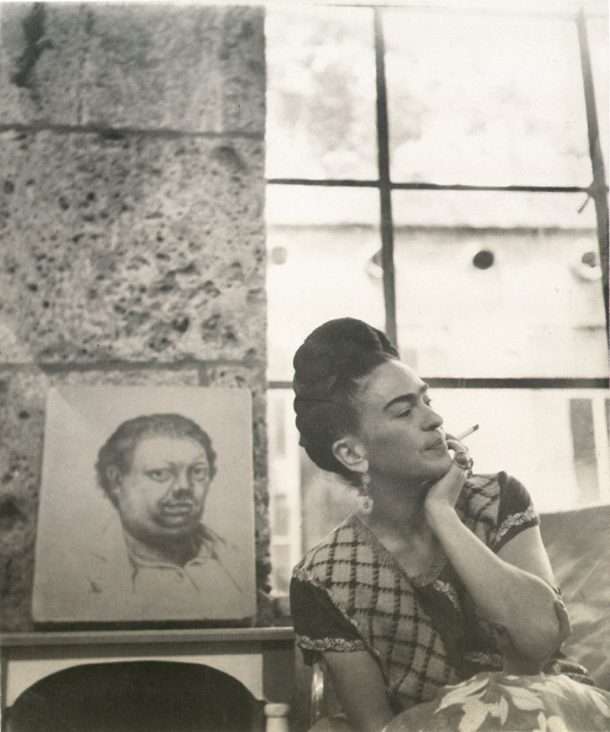
Frida Kahlo was not just ahead of her time—she remains ahead of ours. As a Mexican woman, a queer person, and a person living with disability, she created art and lived a life that defied the constraints of the first half of the 20th century. In doing so, she modeled a kind of feminist expression that resonates deeply with today’s fourth-wave feminism—one grounded in intersectionality, self-definition, and resistance to power.
In the 1920s and ’30s, Mexico was undergoing a dramatic transformation following its revolution. Women had access to contraception, abortion, and even public office before they had the right to vote. But beneath those legal advances, traditional gender roles remained deeply entrenched—especially through machismo and marianismo (veneration or emulation of the virtues of the virgin Mary), cultural scripts that prescribed dominance, stoicism, and sexual freedom for men, and submissiveness, emotional labor, and chastity for women.
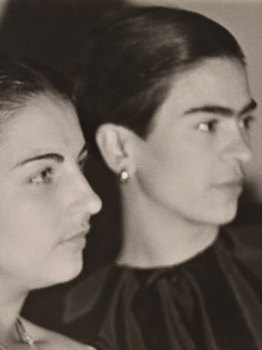
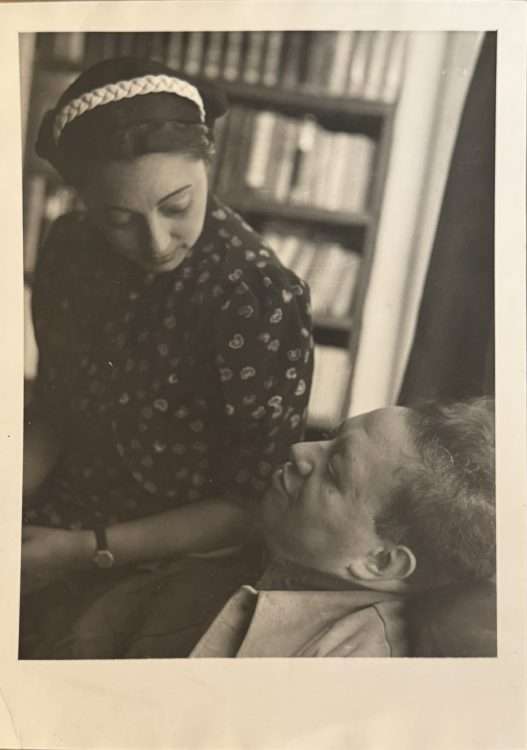
Frida grew up within these contradictions. Her marriage to Diego Rivera epitomized the double standard of the time: his infidelities were seen as forgivable or even expected; hers were scandalous. He could cheat—even with her sister—and be absolved. She was expected to endure. And yet, she refused to play the silent wife.
Frida’s life was a refusal to be small.
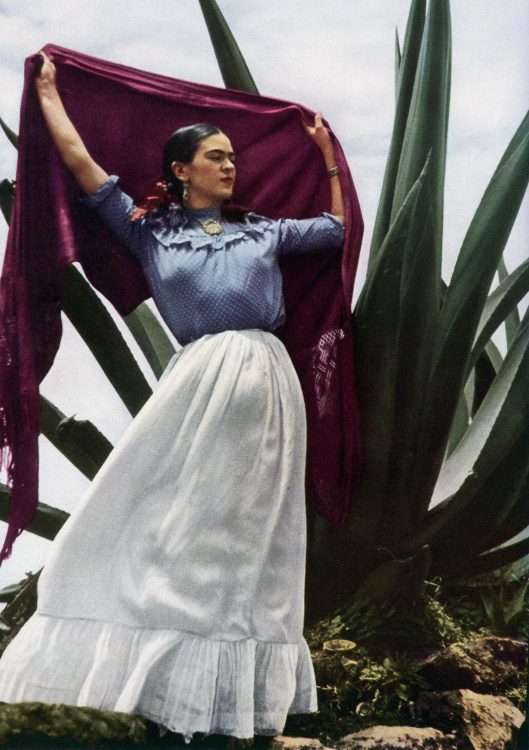
Through her art, she claimed space for truths women were supposed to hide: infertility, miscarriage, chronic illness, sexual desire, rage, despair, betrayal. Her body—broken by a bus accident, shaped by pain, adorned with traditional dress—became her canvas and her symbol. She did not paint beauty for male consumption; she painted survival for herself.
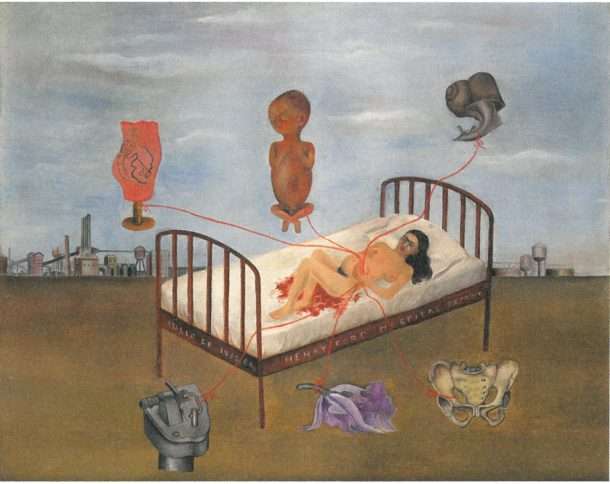
This radical self-exposure mirrors the raw honesty championed by today’s feminist movements, especially the fourth wave, which emerged in the 2010s through social media activism. Like Frida’s paintings, fourth-wave feminism is deeply personal and political—concerned with the body, with sexual and reproductive autonomy, and with the legitimacy of lived experience as a source of truth.
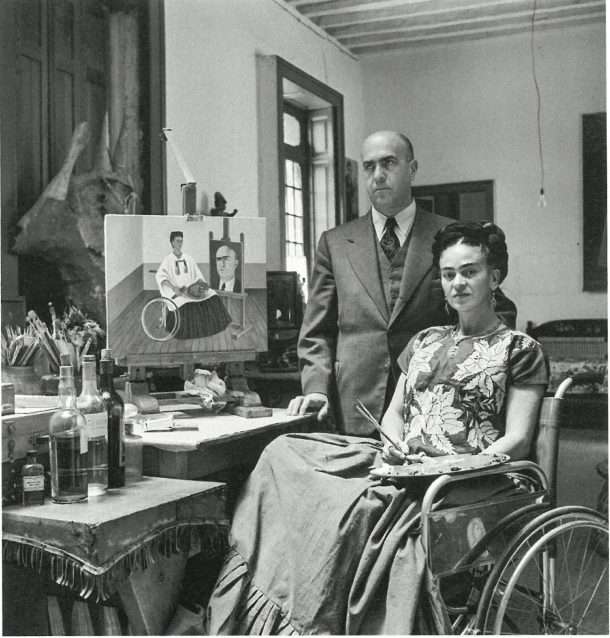
Frida’s legacy is also deeply intersectional. Long before the term was coined, she lived the intersection of multiple identities: she was mestiza (any person of mixed blood. In Central and South America it denotes a person of combined Indian and European extraction), queer, disabled, and politically radical. Her visibility as a bisexual woman was revolutionary. Her lifelong health struggles—and the way she expressed pain on canvas—disrupted both medical and societal expectations of how a woman should suffer, and what parts of that suffering could be made public.
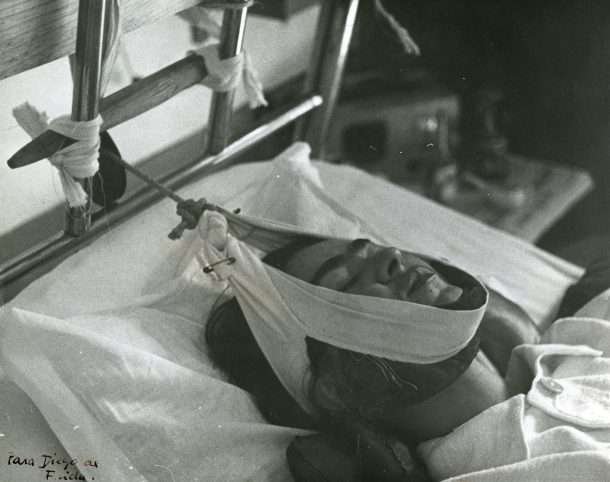
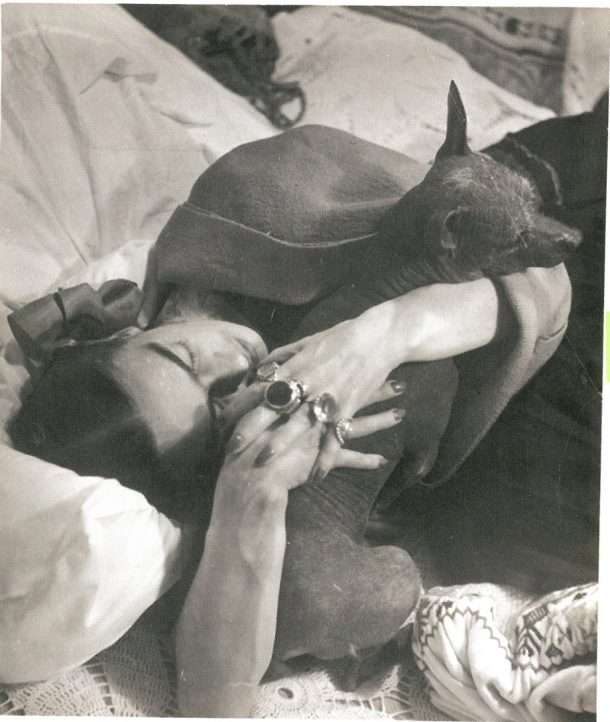
Even Frida’s wardrobe was political. She embraced Tehuana dress, a traditional Indigenous style associated with matriarchal society in Oaxaca. By elevating this form of dress in her everyday life and portraiture, she rejected colonial beauty ideals and celebrated her maternal Zapotec heritage. She often modified her clothing to mask the damage done to her body—layering long skirts to conceal her withered leg, or covering her medical corsets with vivid fabrics, even painting directly on them. It was both armor and art. In today’s language, it was a form of disability visibility, cultural reclamation, and gender performance all at once.
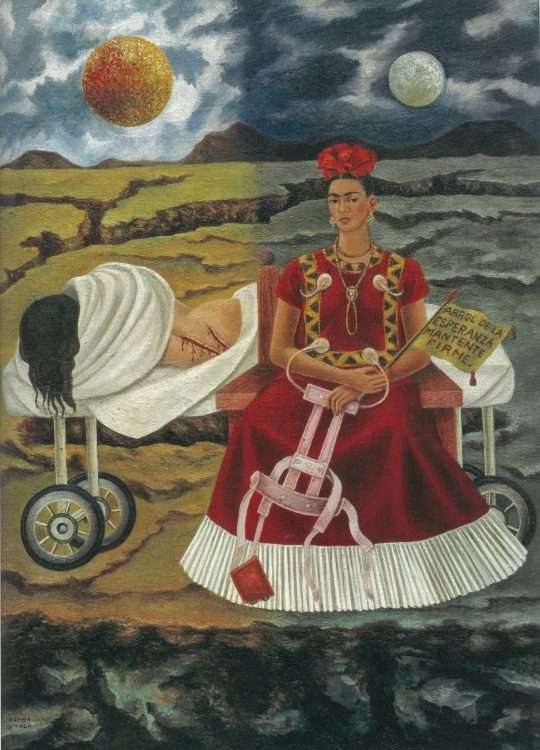
Her politics extended beyond gender. Frida was a lifelong member of the Mexican Communist Party and maintained friendships with prominent leftist thinkers, including Leon Trotsky. She believed in the struggle of workers, in resisting imperialism, and in art as a vehicle for revolution. This aspect of her identity is sometimes overlooked, but it aligns powerfully with today’s feminist emphasis on systemic change—not just for women, but for all people oppressed by capitalism, colonialism, and white supremacy.
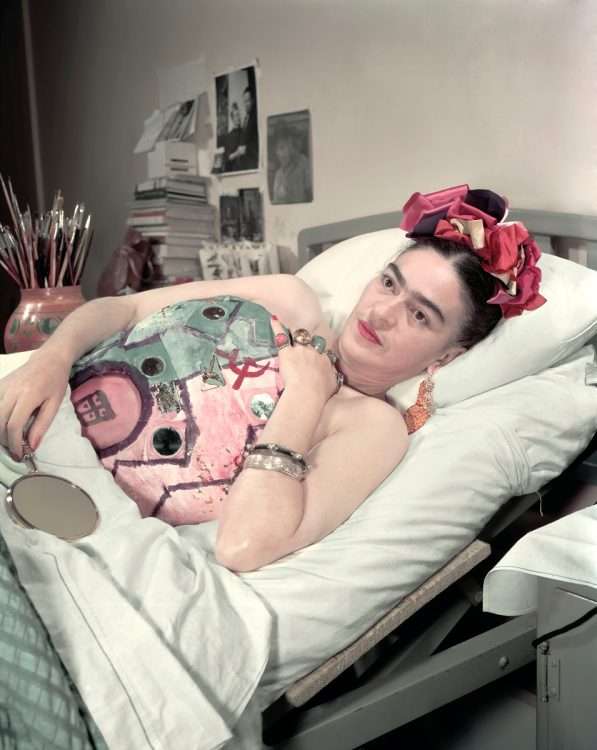
Yet, for all her subversion, Frida Kahlo has also been sanitized by popular culture. While she remains a symbol, an Icon, for those who feel oppressed, marginalized or invisible; her face is everywhere—on tote bags, makeup palettes, and emojis—often stripped of its context. WCMFA’s Executive Director, Sarah Hall, boiled down a part of this problem saying “so many of the people who celebrate her celebrate a piece of her and not the whole.” The floral crowns and thick eyebrows have become a brand. The woman behind them, fierce and flawed and deeply political, is at risk of being reduced to decoration.
This tension—between visibility and commodification—is one that modern feminists know well. It echoes in debates around “Instagram feminism,” around the commercialization of empowerment, around how the aesthetics of rebellion can be co-opted by the very forces they seek to dismantle.
But Frida’s truth cuts through. Her art remains too honest, too strange, too intimate to be easily absorbed into comfort. She challenges us still—to be real, to be bold, to tell the truth about our bodies and desires and grief, and to make beauty out of what breaks us.
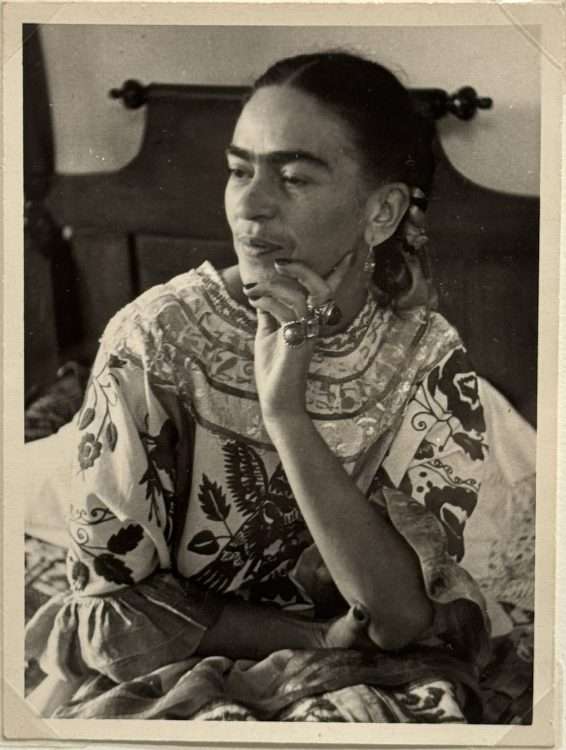
Blue House, Coyoacán, Mexico City, C. 1949, Gelatin silver print
Fourth-wave feminism demands we look beyond symbols to substance. And Frida Kahlo offers both. She is not just a feminist icon because she painted herself—she is one because she painted what society tried to erase.
To remember Frida is not simply to admire her, but to follow her lead: to resist the roles we are handed, to reclaim the stories we are told not to tell, and to live, as she did, with radical, disruptive self-possession.


Leave a Reply
You must be logged in to post a comment.